

Every parcel in a Georgia county carries a zoning designation that controls what can be built on it and how it can be used. Most uses that fit the designation proceed with nothing more than a building permit. The complexity starts when a proposed use doesn’t fit the by-right category, or when the physical layout of a specific parcel makes standard compliance impractical. That’s where conditional use permits and variances come in — two distinct tools that are often mentioned together but solve different problems.
A conditional use permit allows a use that isn’t permitted by right under a zoning designation but isn’t prohibited outright either. The county isn’t changing the zoning; it’s allowing a specific use on a specific parcel, with conditions attached to manage the impact on surrounding properties. Cell towers on rural acreage, contractor equipment yards outside industrial zones, campgrounds on agriculturally zoned land; these typically require a conditional use permit. The process involves a formal application, a public hearing, and in most counties a vote by the planning commission or county commission. Conditions get negotiated at the hearing: screening requirements, operating hour restrictions, buffer standards. Approval is not guaranteed.
A variance addresses something different. It doesn’t change what a parcel can be used for — it adjusts the physical development standards that apply to it. Setbacks, minimum lot sizes, road frontage requirements — these are written to apply uniformly across a zoning district, but land isn’t uniform. A shallow lot, an irregular shape, or an easement running through a required setback area can make strict compliance impractical. A variance is relief from those standards, granted when the physical characteristics of a specific parcel create a hardship that isn’t shared by surrounding properties. Counties don’t grant them because compliance is inconvenient; there has to be a site-specific reason.
If you’re selling land and a buyer’s intended use requires either approval, that’s a real contingency. The buyer is pursuing regulatory permission that isn’t guaranteed, and their due diligence period will include time to chase it. Your purchase contract needs to define clearly what happens if the county says no — how long the buyer has to pursue approval, what the earnest money terms are if they walk, and whether you have the right to re-list if the process stalls. If you’re on the receiving end of a neighbor’s application for either type of approval, you’ll typically receive a mailed notice. Show up to the hearing if the proposed use or relief could affect your drainage, access, or the character of what gets built next to you.
Zoning administration in Georgia runs at the county level, and the standards vary. Counties each have their own ordinance and their own track record on how these applications get handled in practice. Before you spend money on engineering or site work for anything that might require approval beyond a basic building permit, a conversation with the county planning department costs nothing and tells you exactly what you’re dealing with.
Blog
This section provides an overview of the blog, showcasing a variety of articles, insights, and resources to inform and inspire readers.
-
Conditional User Permits and Variances: What They Mean for Your Land
Every parcel in a Georgia county carries a zoning designation that controls what can be…
-

How CUVA Regulations Impact Your Land Value
For landowners in Northeast Georgia, the Conservation Use Value Assessment (CUVA) is a powerful financial…
-
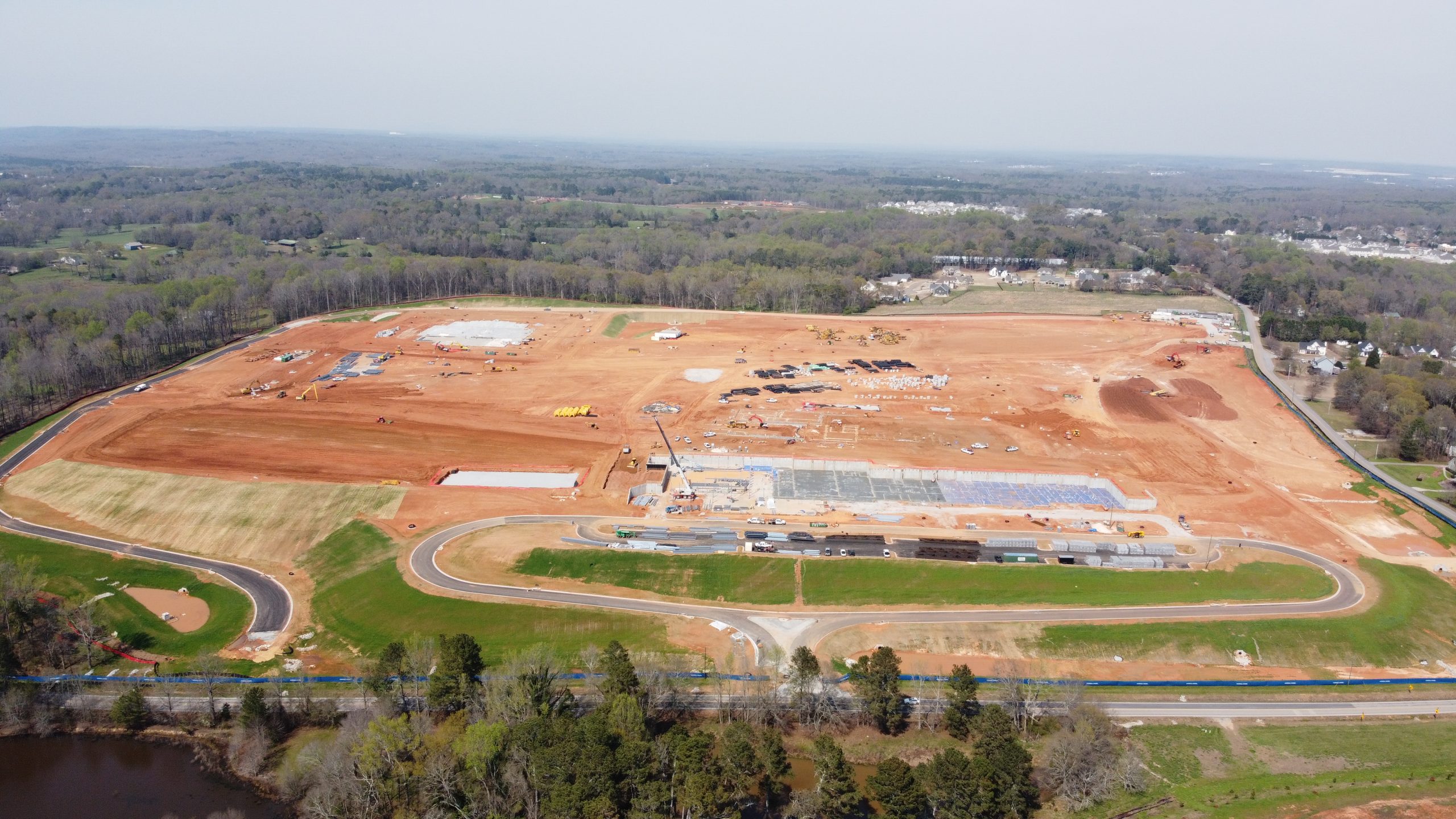
Infrastructure Advancements: What Landowners Should Know
The landscape for land investment in Northeast Georgia is being redefined by what lies beneath…

Leave a Reply