
If you own agricultural land, forestland, or recreational property in Georgia, you know that property taxes can be a significant burden. As development pressure continues and fair market values rise, the tax bill can sometimes feel like it’s pressuring you to develop the land you love rather than preserve it.
“I can almost guarantee that if you’re north of the Fall Line, one of these programs [CUVA] is going to help you. “A big part of the decision is, ‘Do I want to tie my land up for 10 years?’“
— Dr. Bob Izlar, UGA’s Harvey Langdale Jr. Center for Forest Business
Georgia has a program designed specifically to provide relief to landowners dedicated to keeping their land productive and natural: CUVA, or the Conservation Use Value Assessment.
What is CUVA?
CUVA is a specialized property tax assessment program administered by Georgia counties. First adopted by the state legislature in 1992, its core purpose is to protect bona fide farmers and conservation landowners from being forced to convert their land due to high tax burdens. Property taxes are calculated on the land’s current use, which is usually much lower than the “highest and best use” valuation.

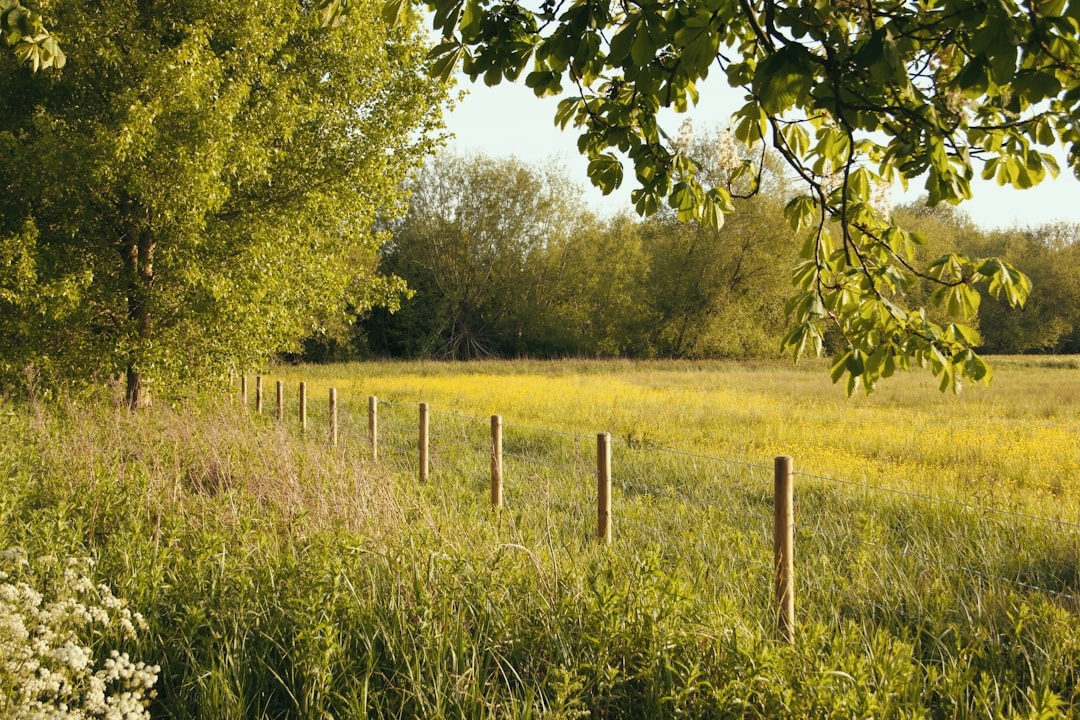
In exchange for the benefit, landowners agree to maintain the use of their property for a 10-year covenant period. During the covenant period, landowners may not develop the property for residential, commercial, or industrial purposes that fall outside of “bona fide” agricultural or forestry use.
The Landowner’s Dilemma
Ultimately, CUVA stands as Georgia’s most effective tool for lowering the carrying costs of raw land, often slashing annual property taxes by 50% to 90% and providing a predictable 3% cap on assessment increases. However, these substantial financial benefits are tethered to a rigid 10-year legal commitment that essentially freezes your development rights for a decade. Before enrolling, it is vital to ensure your long-term goals align with this timeline, as breaching the covenant—whether through unauthorized subdivision or a change in land use—triggers a severe penalty. Understanding the broader landscape and development pattern when determining whether CUVA is right for your property is important in maintaining the value and optionality of your land.